
GIA intensity grades explained — what Fancy Light, Fancy Intense and Fancy Vivid actually mean, and how much each grade adds to the price.
If you’ve started comparing Fancy Intense vs Fancy Vivid diamonds, you’ve already noticed the price gap is bigger than the visual gap. GIA grades every fancy colored diamond on a nine-step intensity scale that runs from Faint to Fancy Vivid, and each step higher can add anywhere from a modest bump to several multiples of the price. This guide breaks down what separates a fancy light diamond from a Fancy Intense stone, what pushes a diamond into Fancy Vivid territory, and how to use the GIA color intensity scale to buy with confidence instead of guesswork.
Table of Contents
The GIA Color Intensity Scale, From Faint to Fancy Vivid
GIA grades fancy colored diamonds face-up, unlike the face-down method used for colorless D-Z diamonds, and scores three things: hue (the dominant color), tone (how light or dark it reads) and saturation (how strong the color is). Together, those three combine into one of nine grades printed on the stone’s GIA report — the backbone of the GIA color intensity scale.
| GIA Grade | Saturation Level | What It Looks Like |
|---|---|---|
| Faint | Barely perceptible | Color only visible on close inspection |
| Very Light | Slight hint of color | Soft tint, still near-colorless in feel |
| Light | Light, noticeable tint | Color visible but muted |
| Fancy Light | Entry-level true fancy color | Soft, pale, but unmistakable hue |
| Fancy | Moderate, definite color | Clearly colored under normal light |
| Fancy Intense | Strong, saturated color | Bright, immediately eye-catching hue |
| Fancy Vivid | Maximum saturation | Pure, vivid, radiant color |
| Fancy Deep | Strong saturation, darker tone | Rich, deep color with more tone |
| Fancy Dark | Low saturation, dark tone | Muted, heavier-toned color |
Fancy Intense vs Fancy Vivid at a Glance
Before the deep dive, here’s how the three grades buyers ask about most — Fancy Light, Fancy Intense and Fancy Vivid — compare side by side.
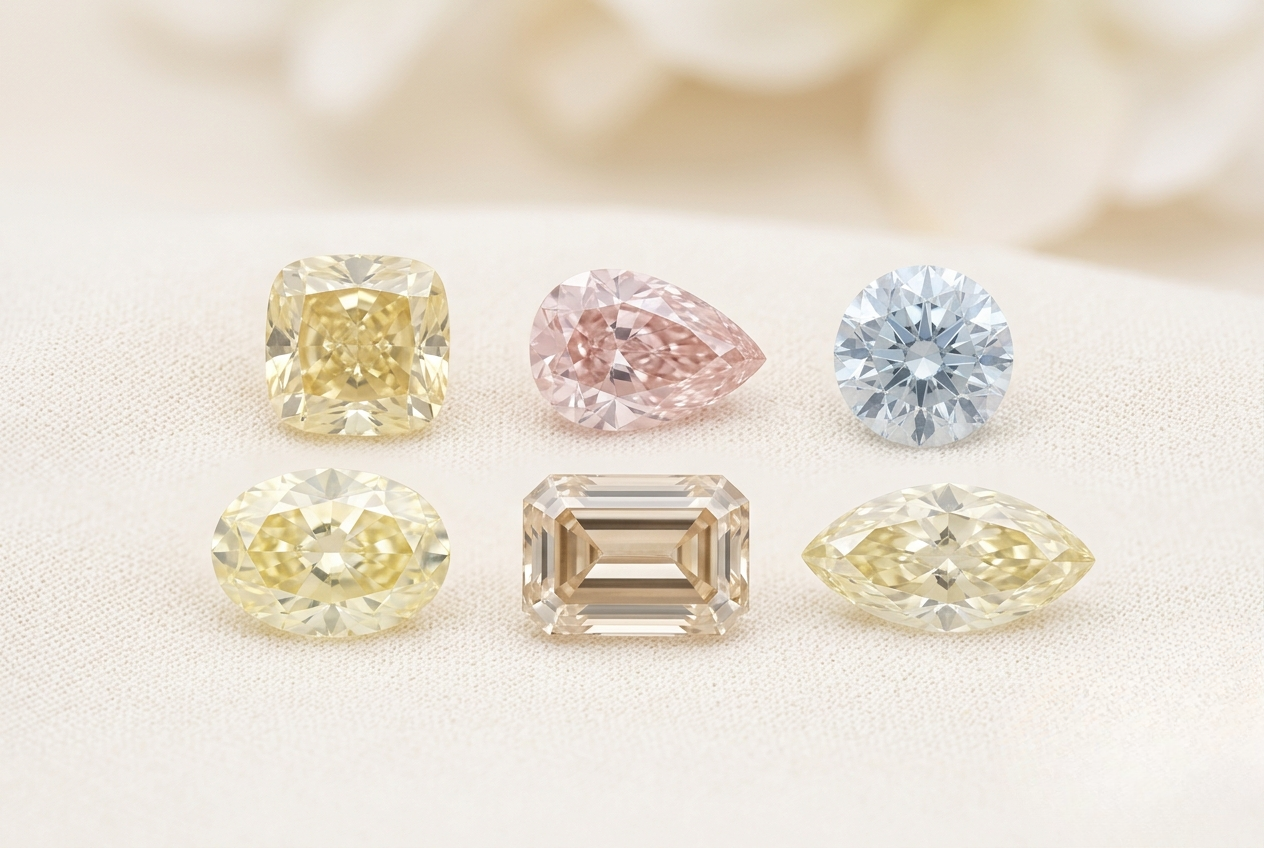
Fancy Light
Soft, pale color at the most accessible price in the fancy-color category. A practical first step into colored diamonds.
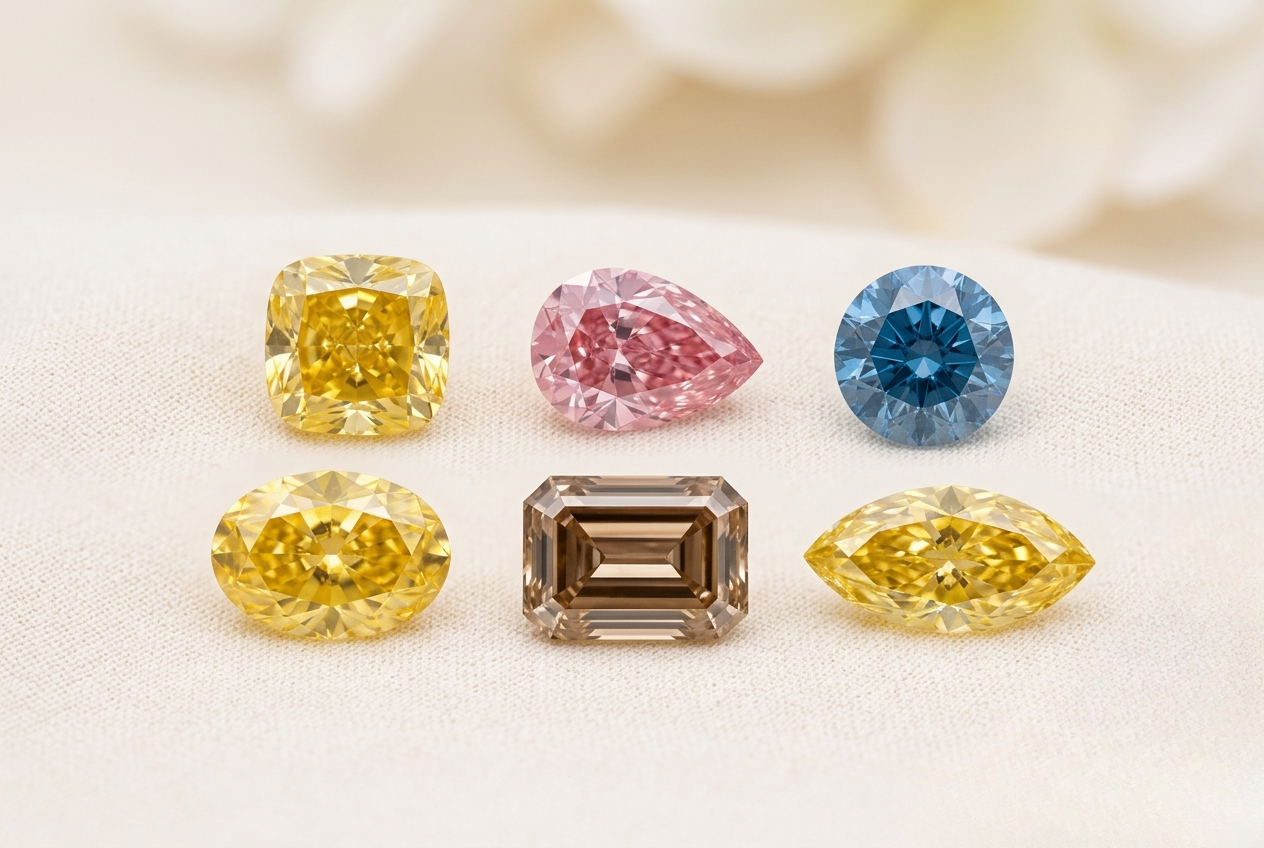
Fancy Intense
Strong, unmistakable color at a moderate premium. Most of Fancy Vivid’s visual punch for a fraction of the price.
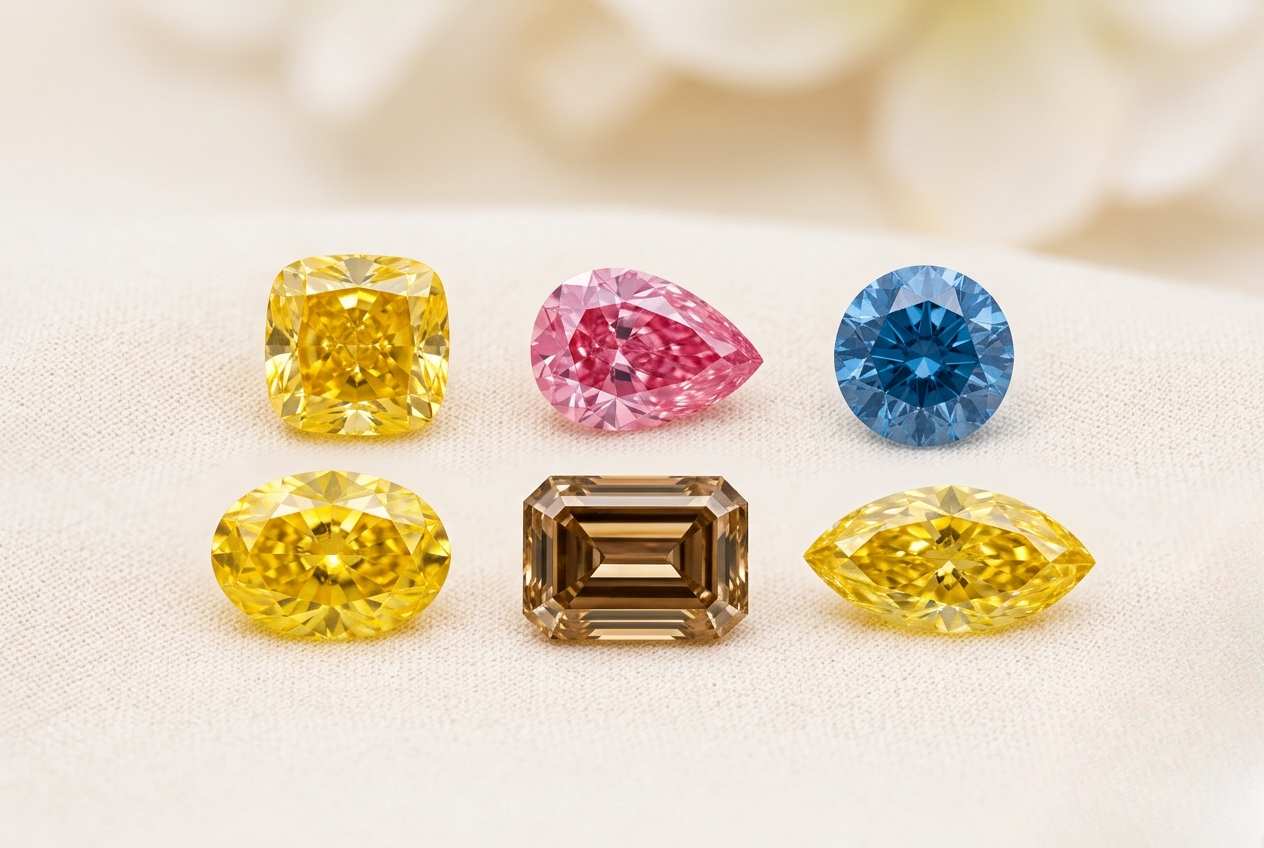
Fancy Vivid
Maximum saturation and the rarest, most sought-after grade. Commands the highest per-carat prices at auction.
What Is a Fancy Light Diamond?
A fancy light diamond is the entry tier of true fancy color. Below it, Faint, Very Light and Light diamonds are graded on the conventional D-to-Z scale and read more like a tinted colorless stone than a genuinely colored one.
A fancy light diamond shows a soft but identifiable hue — most often yellow or brown — without the depth seen in higher grades. A yellow example typically reads as a pale, warm golden-straw tone: noticeably warmer than a near-colorless stone, but well short of a rich canary yellow.
Who a Fancy Light diamond suits
- Buyers who want a genuine, GIA-certified fancy color diamond at the lowest possible price point
- Anyone who prefers a subtle, understated tint over a bold, saturated hue
- Larger carat weights, where a lighter color still reads clearly to the eye
Fancy Light stones cost meaningfully less per carat than Fancy Intense or Fancy Vivid diamonds of the same hue, which is exactly why this grade is the practical starting point for first-time colored diamond buyers.
What Is a Fancy Intense Diamond?
Fancy Intense sits two steps above Fancy Light, right below Fancy Vivid. The saturation is strong and immediately apparent, while the tone stays moderate enough that the stone reads as bright rather than dark.
Across yellow, pink, blue, orange and green diamonds, Fancy Intense marks the point where color becomes commercially compelling: the hue is obvious in normal light, but the price is still well below Fancy Vivid. This is the crux of the Fancy Intense vs Fancy Vivid decision most buyers actually face.
Who a Fancy Intense diamond suits
- Buyers who want a diamond that clearly reads as colored, not just tinted
- Engagement ring and fine jewelry shoppers who want strong color without a Fancy Vivid budget
- Collectors building a portfolio where value-for-saturation matters
Many buyers consider Fancy Intense the sweet spot in the Fancy Intense vs Fancy Vivid comparison: the color impact is close to Fancy Vivid in everyday lighting, but the per-carat price is a fraction of it.
What Is a Fancy Vivid Diamond?
Fancy Vivid is the top grade of the standard fancy-color scale. It denotes maximum saturation combined with a medium-to-light tone, producing a hue that reads as pure, intense and luminous rather than dark or muted.
In rare hues — blue, pink, orange and red — Fancy Vivid stones routinely set the highest per-carat auction prices of any gemstone. Fancy Vivid diamonds can command a substantial premium over Fancy Intense stones of the same hue and carat weight, sometimes two times the price or more.
Who a Fancy Vivid diamond suits
- Collectors and investors seeking the rarest, most liquid tier of colored diamonds
- Statement engagement rings and high-jewelry pieces where color is the centerpiece
- Buyers prioritizing long-term value retention over price per carat
A Fancy Vivid diamond can be worth up to ten times more than a Fancy Light stone of the same size, color and clarity.
Because Fancy Vivid stones are scarce in every hue, availability — not just budget — often limits which stones a buyer can actually source.
Beyond Vivid: Fancy Deep and Fancy Dark
Two grades sit outside the light-to-vivid progression, defined by tone rather than pure saturation.
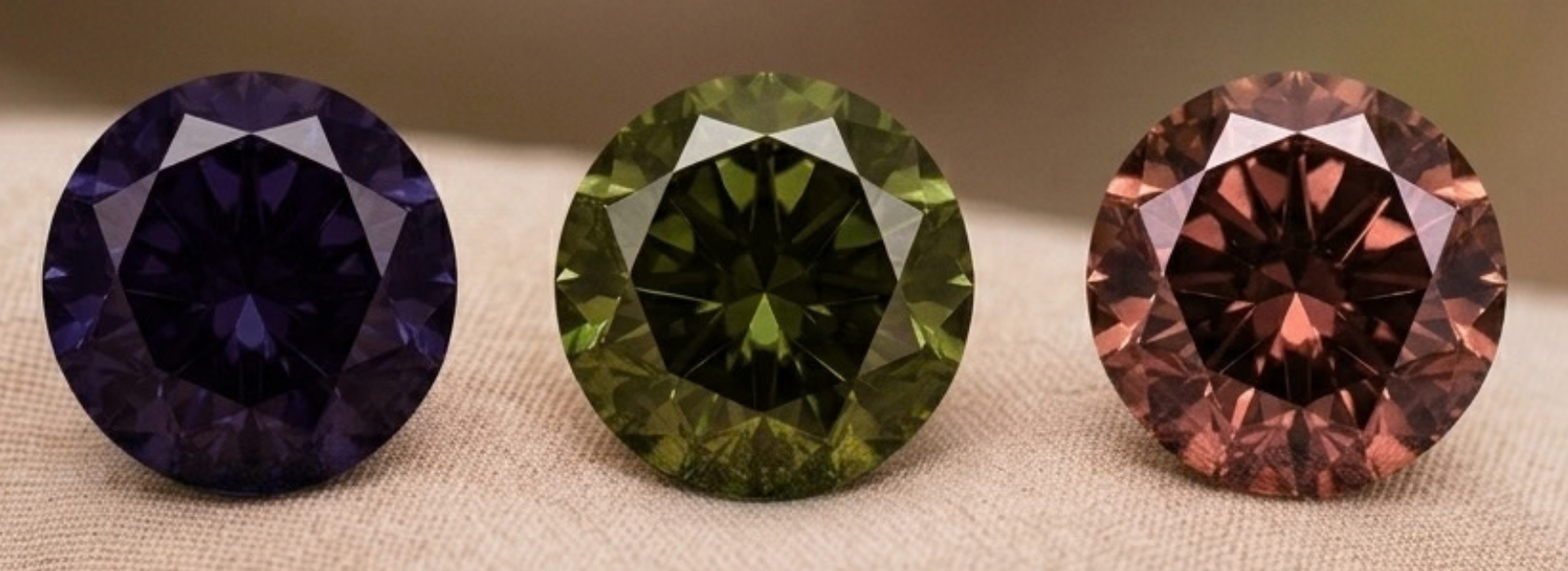
Fancy Deep
Strong saturation with a darker tone than Fancy Vivid. Deep-toned blues, greens and browns fall here; pricing varies widely by hue and can rival Fancy Vivid for certain colors.
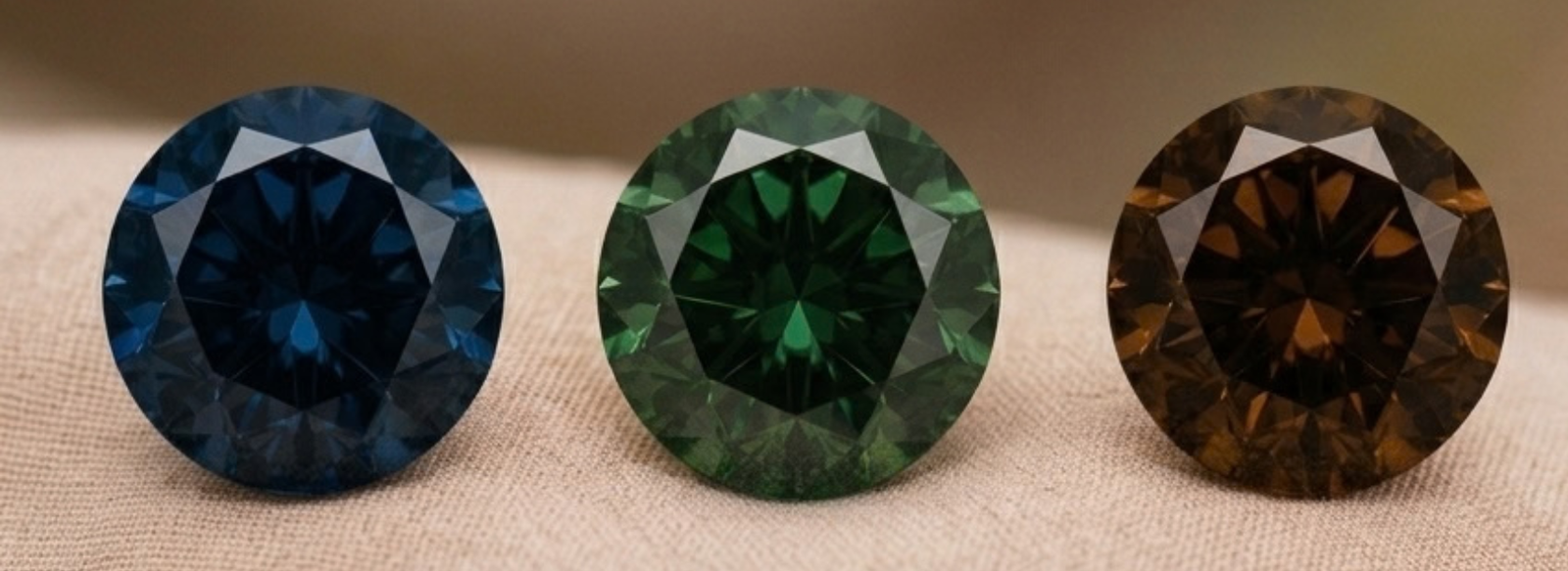
Fancy Dark
Shares the heavier tone of Fancy Deep but with lower saturation, giving a more muted or murky appearance. A fancy deep diamond generally commands a higher premium than a comparable Fancy Dark stone in the same hue.
Neither grade is “better” or “worse” than Fancy Vivid — they simply describe a darker-toned look that some buyers, particularly for gray, olive or deep brown stones, actively prefer.
Price Impact by Intensity Grade
Color intensity is the single biggest driver of price in the fancy-color market. Each step up the GIA color intensity scale adds a meaningful premium, and the jump from Fancy Intense to Fancy Vivid is usually the largest of all.
Illustrative relative price index across hues; actual premiums vary by color, carat and market demand.
Pink, blue and red diamonds tend to see steeper jumps between grades than yellow or brown. When you’re ready to see current pricing firsthand, browse our GIA-certified fancy color diamonds filtered by intensity grade — it’s the fastest way to feel the Fancy Intense vs Fancy Vivid price gap for yourself.
Fancy Light vs Fancy Intense vs Fancy Vivid: Full Comparison
| Attribute | Fancy Light | Fancy Intense | Fancy Vivid |
|---|---|---|---|
| Saturation | Entry-level, soft | Strong, saturated | Maximum saturation |
| Tone | Light | Moderate | Medium-light |
| Visual impact | Subtle, understated | Bold, clearly colored | Vivid, radiant |
| Relative rarity | Most common fancy grade | Less common | Rarest of the three |
| Relative price | Baseline (1.0x) | Roughly 2–3x Fancy Light | Roughly 4–10x Fancy Light |
| Best for | Budget-conscious buyers, larger carats | Strong color at a moderate price | Collectors, statement jewelry |
The biggest visual gap sits between Fancy and Fancy Intense — that’s where color stops looking like a tint and starts looking like the main event. The biggest price gap sits between Fancy Intense and Fancy Vivid.
How to Choose the Right Intensity Grade
- Set a budget range first. Intensity drives price more than carat weight or clarity in the fancy-color market, so decide how much of your budget goes to color before you start browsing.
- View stones in natural daylight. Intensity can look different under jewelry-store lighting versus daylight; ask for a video or in-person viewing before committing.
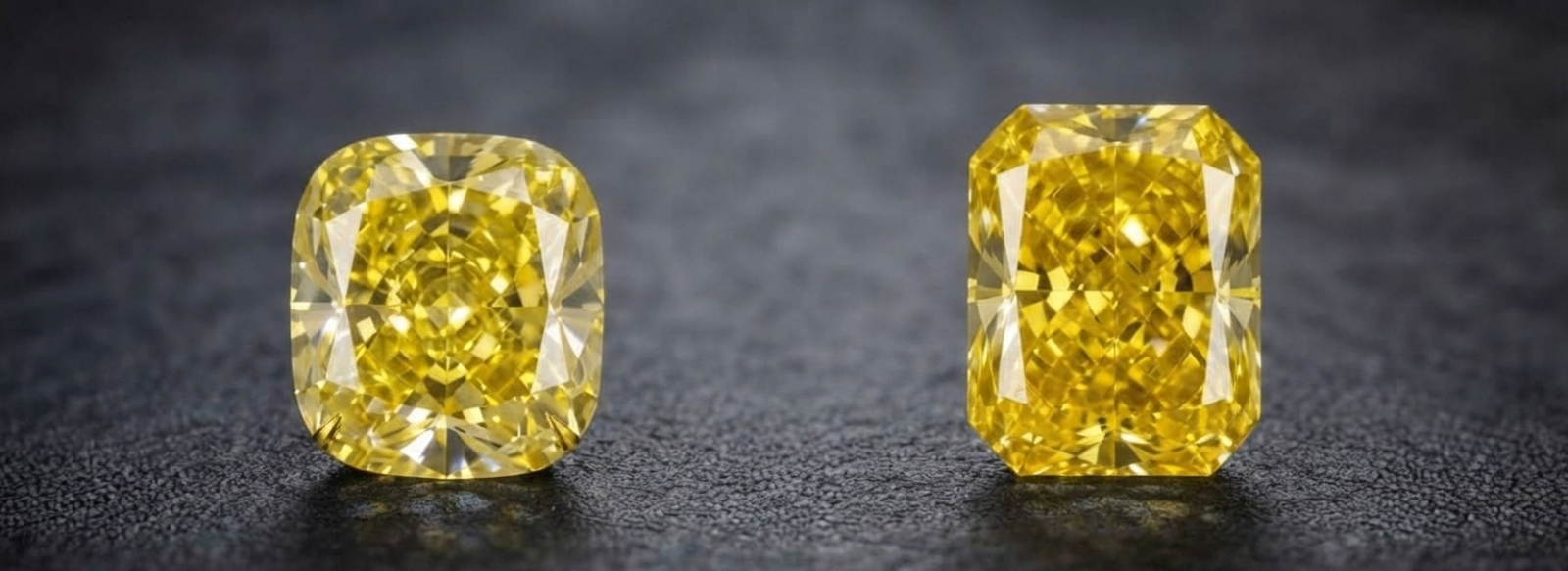
- Compare the same hue across grades. A Fancy Intense yellow and a Fancy Vivid yellow side by side make the saturation jump obvious — comparing across different colors won’t.
- Check the GIA report. Confirm the grade, hue and natural-origin statement match what the seller describes.
- Weigh rarity against everyday wear. A Fancy Vivid stone draws more attention but may feel less practical for daily wear than a Fancy Light or Fancy Intense piece.
- Decide if this is a wear piece or a hold. Investment-focused buyers often lean toward Fancy Vivid for its resale liquidity; personal jewelry buyers often find Fancy Intense the better value. Our colored diamond buying guide walks through certification and budgeting in more depth.
FAQs
Is Fancy Intense or Fancy Vivid better?
Neither is objectively better. Fancy Vivid has the strongest saturation and the highest price, while Fancy Intense offers most of the visual impact at a lower cost. The right choice depends on your budget and whether resale value or everyday wearability matters more to you.
What is a fancy deep diamond?
A fancy deep diamond has strong saturation but a darker tone than Fancy Vivid. It sits on a separate branch of the GIA scale rather than a step below Vivid, and pricing varies significantly by hue.
What is a fancy light diamond worth compared to Fancy Vivid?
A Fancy Vivid diamond can be worth four to ten times more than a Fancy Light stone of the same hue, carat weight and clarity, since saturation is the dominant price driver in colored diamonds.
Does the GIA color intensity scale apply to all diamond colors?
Yes. The same nine-grade scale, from Faint through Fancy Vivid plus Fancy Deep and Fancy Dark, applies to yellow, pink, blue, green, orange, brown and every other fancy hue, though rarity and pricing differ by color.
Can two diamonds have the same grade but look different?
Yes. Grade alone doesn’t capture secondary hues, such as Fancy Intense Orangy Pink, or minor variation within a grade, so two stones with the same intensity label can still look noticeably different in person.
Shop by Colour Intensity
Now that you know the difference between Fancy Light, Fancy Intense and Fancy Vivid, compare GIA-certified stones side by side, filtered by the grade that fits your budget.
Price-multiple figures are an illustrative model based on general market commentary, not a single verified dataset. Confirm current pricing with your own inventory or a gemological appraiser before publishing exact multiples.